Tree Pruning Singapore Expert Tips for Healthy Trees and Ken Landscape Services

A tree can look strong from the outside and still carry weak, crowded, or diseased branches. In Singapore’s humid tropical climate, trees grow fast, react quickly to rain, and can become unsafe if they are not cared for on time. Good pruning keeps trees balanced, healthy, and attractive, whether they stand in a landed home, condominium garden, commercial compound, school, or public-facing green space.
Tree pruning Singapore is not just about cutting branches. It is about knowing what to remove, when to remove it, and how each cut affects future growth. Done properly, pruning improves sunlight, airflow, structure, flowering, and safety. Done badly, it can stress the tree, invite decay, or leave it uneven for years.
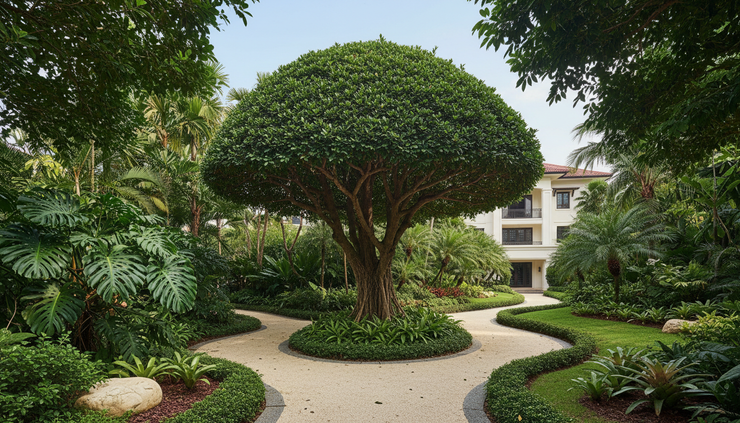
Why tree pruning matters in Singapore
Singapore’s weather supports fast plant growth throughout the year. Regular rainfall, heat, and humidity help trees produce dense canopies. That growth is good for shade and beauty, but it can also create problems when branches become too heavy, tangled, or close to buildings.
Well-planned pruning helps prevent common issues such as blocked views, falling branches, pest hiding spots, and branch contact with roofs, fences, lighting, or walkways. It also helps trees direct energy to healthy limbs instead of weak or damaged parts.
For property owners and facility managers, pruning is also part of responsible garden care. A tidy, stable tree makes outdoor spaces safer and more welcoming. For businesses, resorts, residential estates, and commercial properties, it supports a clean first impression without making the garden look over-managed.
Signs your tree needs pruning
Some trees need light shaping. Others need urgent attention. Watch the canopy, trunk, and surrounding area after heavy rain or strong wind.
Dead or broken branches Dry, cracked, or hanging branches can fall without warning. They should be removed carefully before they become a safety risk.
Branches touching structures Limbs scraping roofs, walls, windows, cables, or signage can cause damage over time and should be cut back with proper clearance.
Dense canopy with poor airflow When branches overlap heavily, the inner canopy may stay damp. Selective pruning allows more light and air to pass through.
Uneven or leaning growth A tree with too much weight on one side may become unstable. Balanced pruning helps reduce strain on major limbs.
Signs of disease or pest activity Fungal growth, unusual holes, dying tips, or discoloured leaves can point to a deeper issue that needs professional inspection.
What proper pruning should achieve
Good pruning respects the natural form of the tree. The aim is not to cut as much as possible. The aim is to make the right cuts for long-term health.
Pruning goal | What it involves | Why it helps |
Safety pruning | Removing dead, cracked, or unstable limbs | Reduces the risk of branch fall |
Crown thinning | Selectively removing crowded inner branches | Improves airflow and light penetration |
Crown lifting | Removing low branches where needed | Clears paths, driveways, and garden areas |
Crown reduction | Reducing height or spread carefully | Manages size without damaging tree form |
Formative pruning | Training younger trees early | Builds a stronger branch structure |
A professional arborist or trained landscaping team will assess the tree before cutting. They look at branch angles, weight distribution, health, nearby structures, and the species of tree. This matters because different trees respond differently to pruning.

Common pruning mistakes to avoid
Poor pruning can cause long-term harm. Heavy cutting may seem neat at first, but it can weaken the tree and create fast, unstable regrowth. In Singapore, where trees grow quickly, mistakes can show up soon.
Avoid these pruning errors:
Topping the tree Cutting the top flat removes the tree’s natural structure. It often leads to weak shoots and an unattractive shape.
Removing too much canopy at once A tree needs leaves to make food. Taking away too much foliage can stress the tree and slow recovery.
Leaving long branch stubs Stubs do not heal well. They can become entry points for decay and pests.
Cutting too close to the trunk Flush cuts can damage the branch collar, which is the area the tree uses to seal the wound.
Using dirty or blunt tools Ragged cuts heal poorly. Clean, sharp tools reduce damage and help create smoother pruning wounds.
When is the best time to prune trees in Singapore
Because Singapore has a tropical climate, pruning can be done in many months of the year. Still, timing should match the tree’s condition and the purpose of pruning.
Light pruning, such as removing dead or damaged branches, can often be done when needed. For heavier pruning, it is better to avoid periods of extreme rain where possible, especially if the ground is soft or access becomes unsafe.
Flowering and fruiting trees may need more careful timing. Pruning at the wrong stage can reduce blooms or fruit. That is why experienced Tree pruning services assess the species before choosing a method.
Why choose Ken Landscape Services in Singapore
Ken Landscape Services in Singapore provides professional landscaping and garden maintenance solutions for residential, commercial, and outdoor spaces. For tree care, the value of working with an experienced team is simple. They know how to manage trees safely while keeping the garden attractive.
Professional pruning is useful when trees are tall, close to buildings, near walkways, or difficult to access. It also helps when the tree has structural issues, heavy branches, or signs of poor health. Instead of guessing where to cut, a trained team can plan the work with safety, growth, and appearance in mind.
Ken Landscape Services can support property owners who want reliable upkeep, cleaner gardens, and healthier trees. Their approach fits Singapore’s environment, where fast-growing greenery needs regular attention rather than occasional heavy cutting.
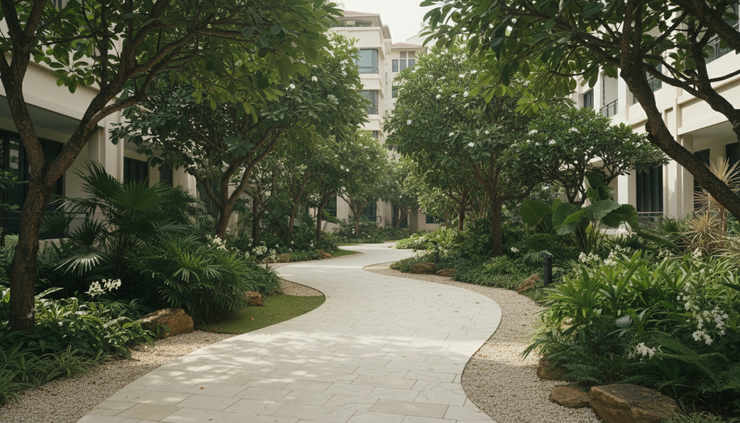
How to prepare before hiring a pruning team
Before booking a tree pruning services, take a few simple steps. This helps the team understand the work and give better advice.
Walk around the tree and note what concerns you. Look for dead branches, blocked light, overhanging limbs, pest signs, or nearby structures. If possible, take clear photos from different angles. Share access details too, such as narrow entrances, parking limits, or work restrictions in condominiums and commercial sites.
During the visit or consultation, ask how much of the canopy should be removed and why. A good answer should focus on tree health, not just appearance. You can also ask how waste will be cleared after pruning, especially if the work involves large branches.
Keeping trees healthy after pruning
After pruning, trees need time to respond. Most healthy trees will produce fresh growth naturally, but aftercare still matters. Watering, soil care, and regular checks help the tree recover well.
Avoid over-pruning again too soon. Instead, schedule routine inspections so problems are handled early. Light, planned maintenance is usually better than waiting until branches become too heavy or unsafe.
Mulching around the base can help retain moisture and protect roots, but mulch should not be piled against the trunk. Keep the area around the tree clean and watch for signs of stress such as sudden leaf drop, dieback, or fungal growth.
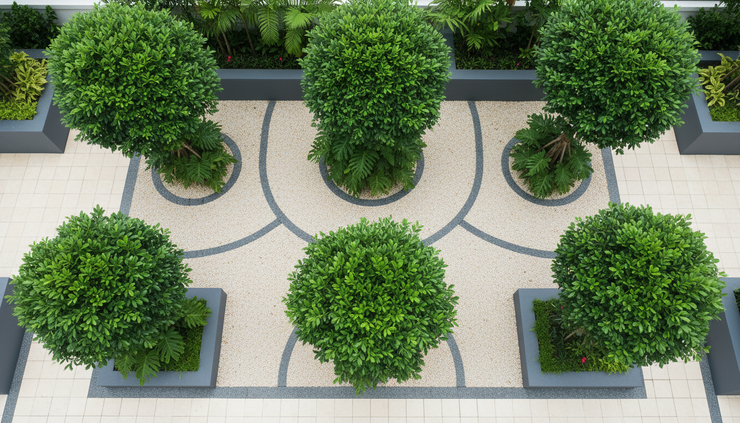
Final takeaway
Tree pruning keeps Singapore gardens safer, healthier, and more beautiful when it is done with skill. The right cuts improve structure, reduce hazards, and support natural growth. The wrong cuts can damage a tree for years.
For homes, estates, and commercial spaces, working with Ken Landscape Services in Singapore is a practical way to care for trees properly. With regular inspections and professional pruning, trees can stay strong, balanced, and suited to the space around them.
Ken Landscape Services
Comments